If you are looking for a replacement LED Light Bulb, it is best to do some research and buy higher quality and reliable bulbs to get the best bang for your buck. Factors to consider are brightness, lifespan, dimmability, socket compatibility, size of room and price. Have a look at our recommended solutions below.
Non-Dimmable LED Bulbs (A19) – E26 Base
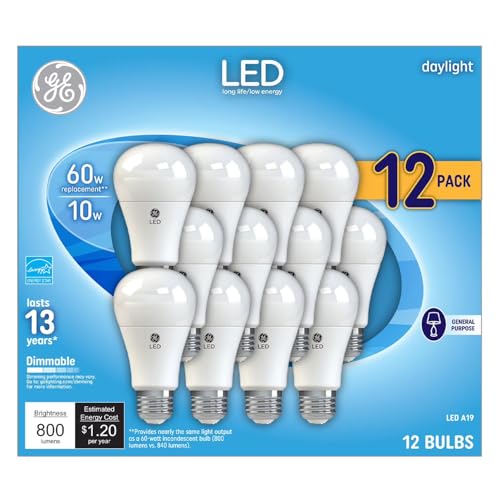
These light bulbs are suitable for standard light E26 light sockets and can replace old inefficient incandescent or compact fluorescent bulbs.


Dimmable LED Bulbs (A19) – E26 Base
If you have a dimmer switch connected, you may prefer to look at these dimmable bulbs. If you use regular LED bulbs with dimmer switches, you may run into bulb flickering issues.


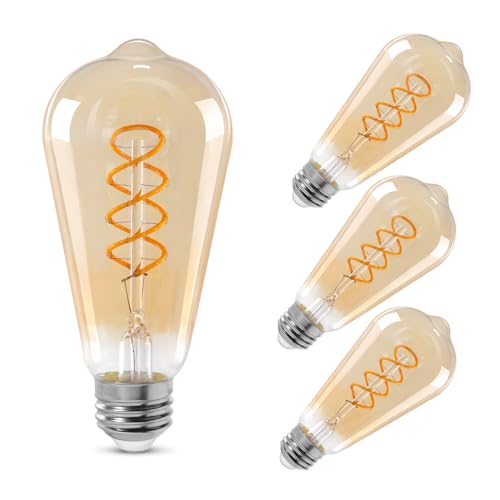
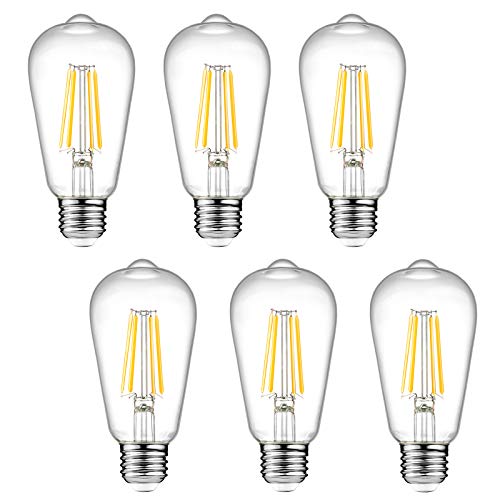
Edison Vintage Style LED Bulbs – E26 Base ST19 Size
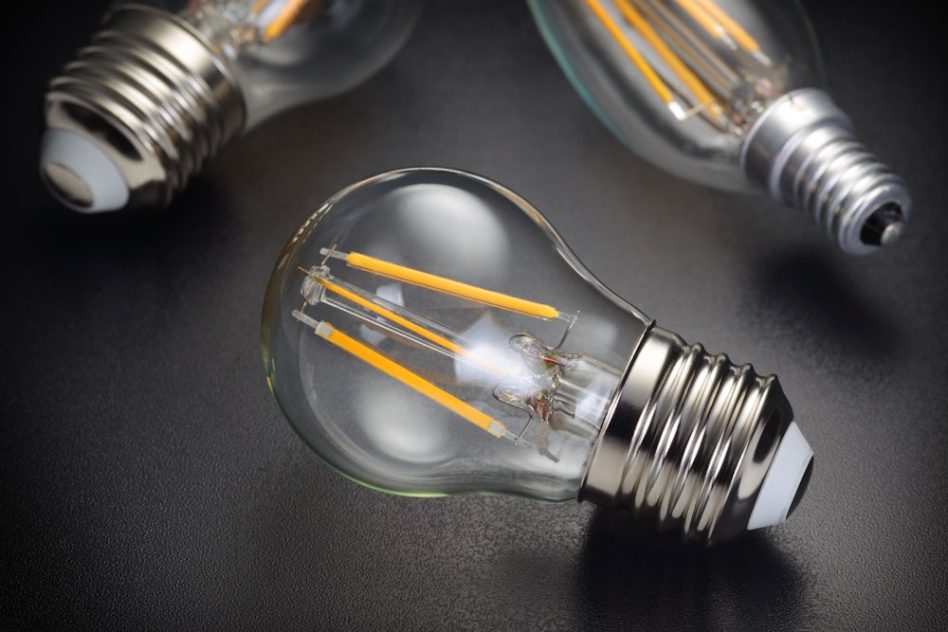
If you are looking for more stylish and retro type LED bulbs, then you may want to consider these Edison LED bulbs. These bulbs still use modern LED lighting technology, whilst mimicking the original look of the first electric bulbs invented by Thomas Edison. These are great for an antique look to your room, but be careful they are the correct size for your purpose.

LED Candelabra Bulbs – E12 Base
Modern candelabra light fittings attempt to mimic historic candelabras – the one’s that actually hold wax candles – and if you have one of these in the house, you will require specific E12 base LED bulbs to fit these sockets.
Candelabra bulbs come in various sizes and shapes that can affect the mood and atmosphere of a room, so choose carefully.


LED Bulb FAQ – Know Your Bulb Types
Have you ever had a light bulb die and after buying a replacement, you realised it didn’t fit into the socket? Or it was not bright enough to match the previous light?
We already know we want energy efficient LED, but that is just how the light is produced internally.
There are a multitude of LED light bulb types for different purposes. Let’s go through the main ones:
What is E26 Standard Base?
Fortunately for most lamps, pendant lights and flush mount style lights, they use a standard “Edison Screw” base. This is the screw-in style bulb. Standard light bulbs often have E26 base and A19 shape. Read more about E26 and A19 here.
What is a A Type LED Bulb?
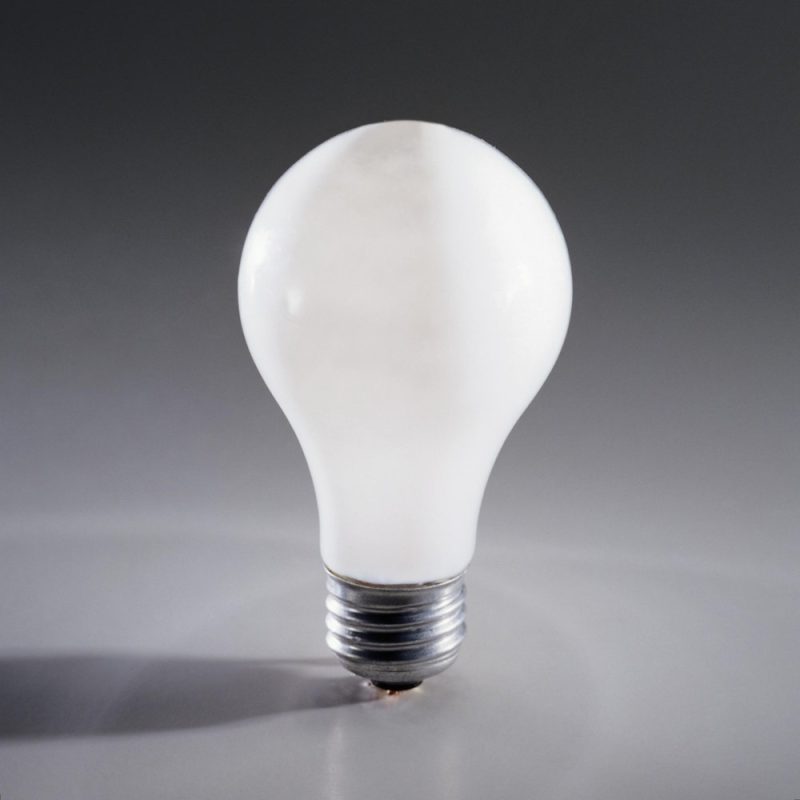
A stands for Arbitrary and represents the standard pear-shaped light bulb. Examples are A19, A21. The number after the letter represents the width of the bulbs. Read more about A19 and A21 bulb sizes here.
What is a B Type LED Bulb?
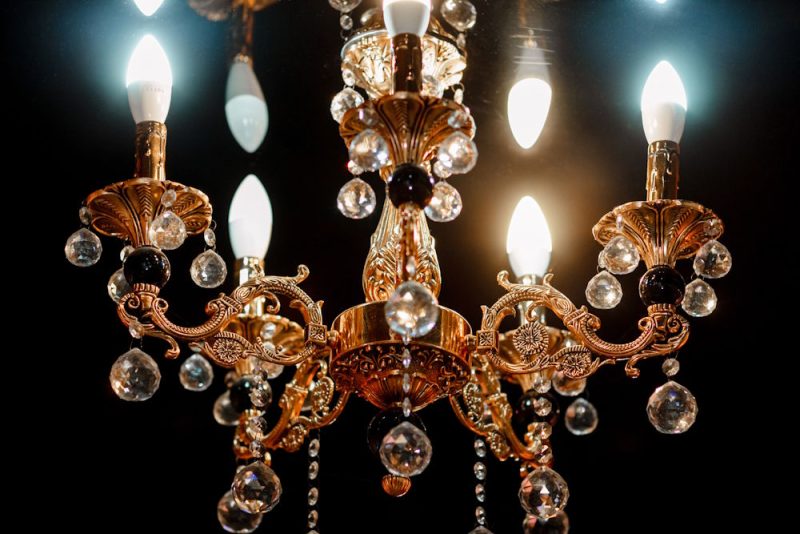
B type bulbs are longer, thinner, often resembling a torpedo or flame shape. They are used more for decorative and fancier lighting fixtures such as chandeliers. For this reason they are often called “Candelabra” bulbs. Common types are B8, B10, B11 and B13. Read more about B Type bulbs here.
What is an Edison Style Bulb?
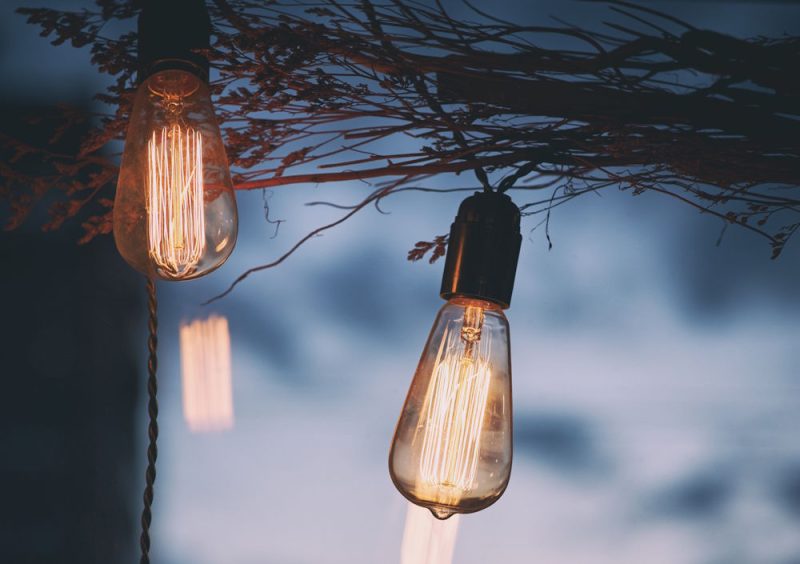
As well as E26/E27 meaning “edison screw” to describe the base of a bulb, there are also Edison style bulb shapes. These bulbs are designed to look like the original light bulb created by Thomas Edison and give light fixtures a “vintage” or antique look. Read more about edison bulbs here.
Are LED Bulbs Dimmable?
Yes, but you need to purchase bulbs that are dimming compatible. Dimmable lights are great for setting the exact amount of light required in your room, instead of putting up with one level that is either too bright or too dim.
Standard LED bulbs are not dimmable by default, so make sure you pick the recommended type of dimmable bulb for your light fixture or lamp. Read more about dimmable light bulbs here.
What is LED Color Temperature?
Light bulbs mostly emit “White” light, but modern-day light bulbs offer different varieties of “White”. As you may know, white light is made up off all other colors in the spectrum.
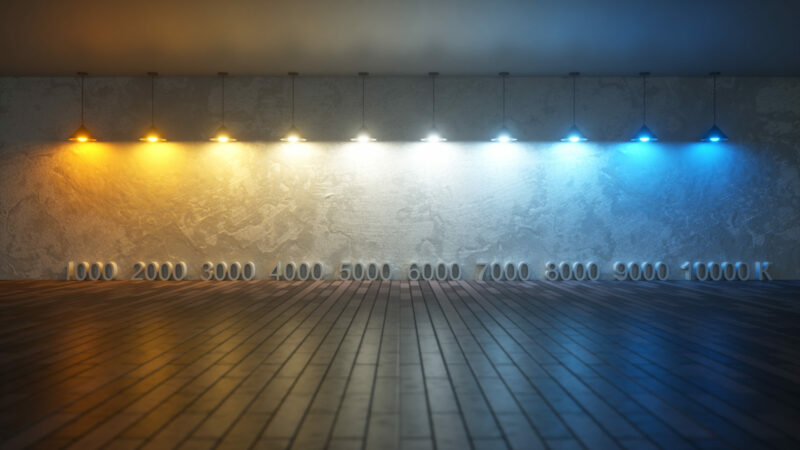
In short, light bulbs come in Warm White (sometimes called Soft White), Daylight and Cool White. Warm White contains a higher mix of Red giving it warmer yellowish/orange glow. Daylight is more balanced with red and blue and looks more traditional White in color.
Cool White has a higher mix of Blue in the spectrum. This usually suites more industrial and commercial applications. Read more about kelvin color temperature here.
What’s the Difference Between Lumens and Watts?
Simply put, Watts is the amount of power the light bulb draws from your electricity supply. Lumens is the level of brightness that is emitted from the bulb. Read more about converting between Lumens and Watts here.
Electrical Power In (Watts) => Light Energy Out (Lumens)
Sometimes Watts is also used to compare brightness with older style Incandescent bulbs, even though it is a measure of power consumption. This is due to the familiarity of Incandescent wattages and the brightness they represent. Whenever you see the Wattage rating with the word “equivalent”, that is usually what is being referred to. Read more about LED equivalent wattages here.